


Our Wagyu and Ingredients | Hayama Wagyu from the Miura peninsula, our broth and Kamakura vegetables
Wagyu
Two hundred head a year leave the Miura peninsula.
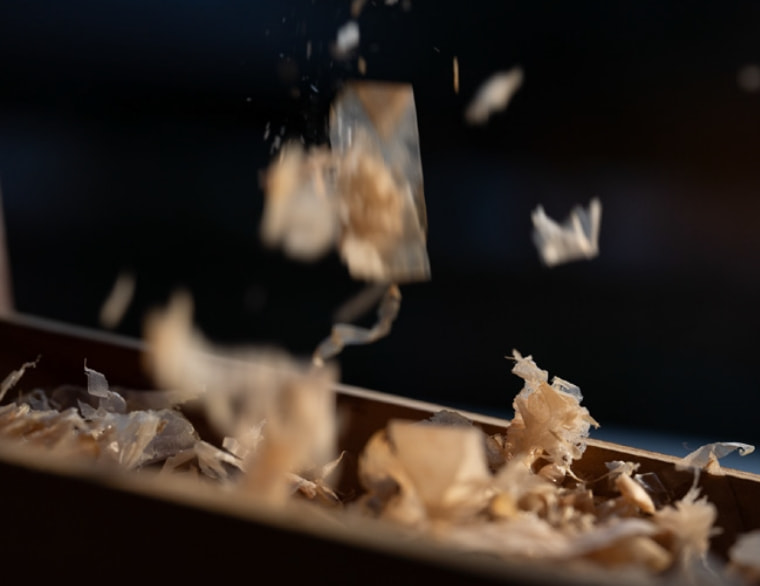
Some of them come here, to a kitchen that shaves
its bonito fresh and buys its greens nearby.
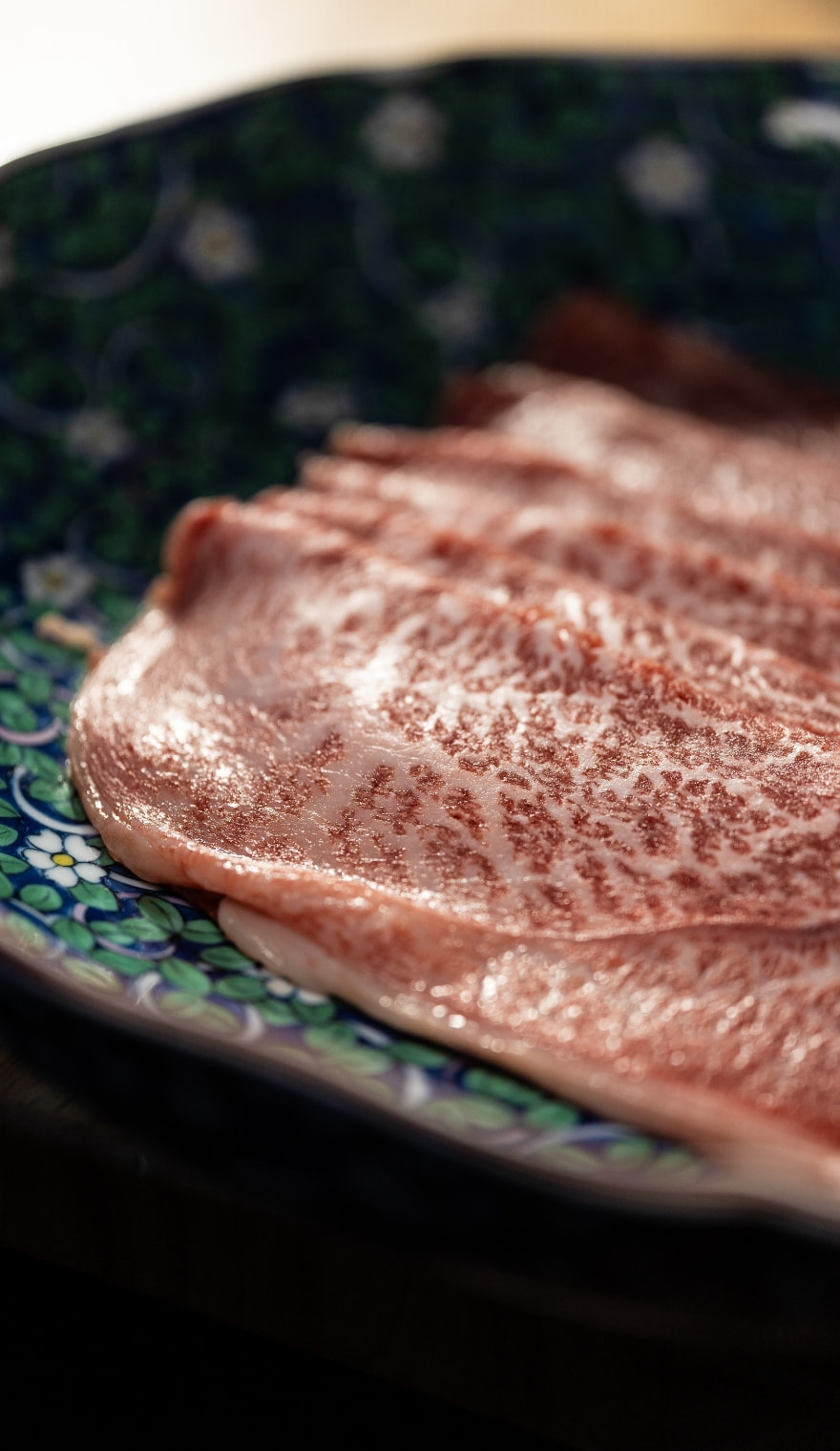
The beef at Sasho is Hayama Wagyu, raised on the Miura peninsula in Kanagawa.
To it we add a house broth of kombu kelp and dried bonito, and vegetables grown in Kamakura.
Very little of what reaches the table has travelled far.
HAYAMA WAGYUWhat is Hayama Wagyu?
Hayama Wagyu is a kuroge wagyu brand produced on the Miura peninsula in Kanagawa Prefecture. Members of the Miura Peninsula Dairy Cooperative Federation select bloodlines and raise the cattle using their own methods.
Only around 200 head are shipped in a year. Among Japan's branded wagyu that is a very small number, and it is sometimes described as a phantom breed. Being raised close by is the reason we are able to serve it.
The cattle are fed on a house blend of heat-treated grains including rice and tofu lees, which is held to give the meat and fat their particular sweetness. You will find it in both the sukiyaki and the shabu-shabu.
| Hayama Wagyu at a glance | Detail |
|---|---|
| Region | Miura peninsula, Kanagawa Prefecture |
| Producers | Members of the Miura Peninsula Dairy Cooperative Federation |
| Breed | Kuroge wagyu (Japanese Black) |
| Annual shipment | Around 200 head |
| Feed | A house blend of heat-treated grains, including rice and tofu lees |
| Character | A distinctive sweetness in both meat and fat |
Details of Hayama Wagyu's region, producers, annual shipment and feed are drawn from information published by the Miura Peninsula Dairy Cooperative Federation and Kanagawa Prefecture tourism sources. The brand and cut we serve may vary with what is available.
THE BROTHTell me about the house broth.
Kombu kelp and dried bonito, taken as far as they will go. It is the foundation of both the sukiyaki and the shabu-shabu.
Choose sukiyaki or shabu-shabu. Both styles have the same listed price for each beef selection. Lunch from ¥5,500 · Dinner from ¥8,800
KAMAKURA VEGETABLESDo you use local vegetables?
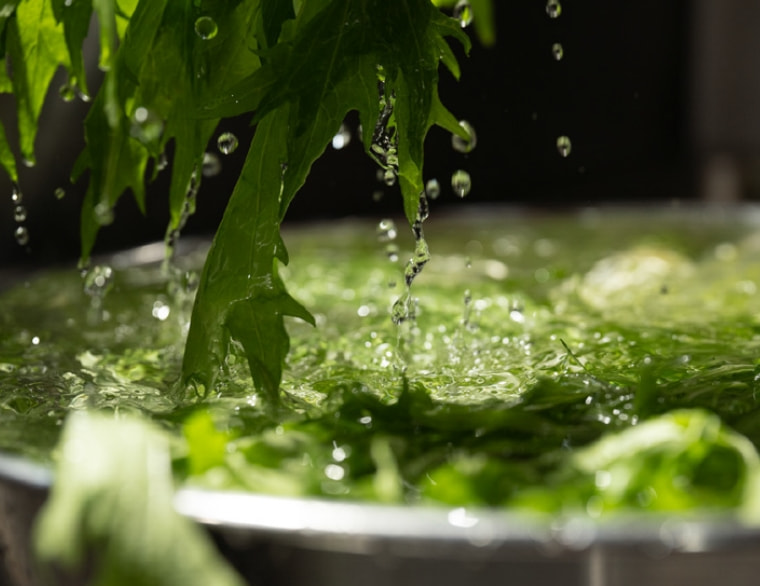
Yes. Seasonal side dishes are built from produce grown in Kamakura, and they are there to give the wagyu its colour and contrast.
Kamakura has long grown a wide range of vegetables, and being close to the market shows in how they arrive. The dishes change through the year, so what you are served is whatever the season offers.
SAKETell me about the sake.
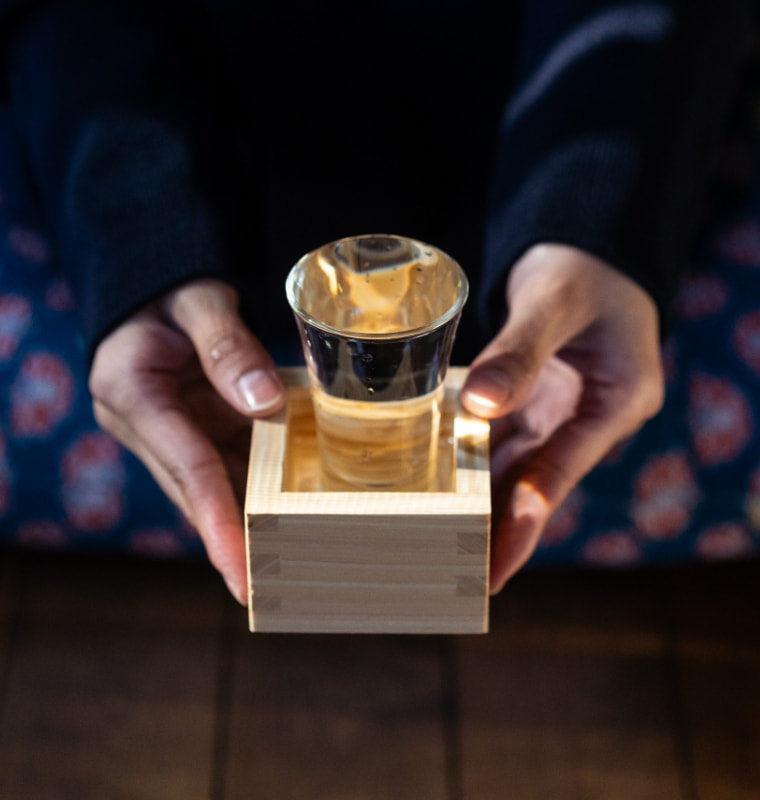
Our sake is sealed at the brewery immediately after pressing, by a method that keeps it from air and light until the moment it is poured. What reaches the glass has the freshness you would otherwise only find at the brewery itself.
We also offer a pairing that matches a freshly pressed sake to each course of the meal, so that the season on the plate and the sake in the glass move together.
INFORMATIONPlanning your visit
We are open 11:00 – 22:00 (lunch 11:00 – 16:00, dinner 16:00 – 22:00) and closed every Thursday.
Last entry is 14:30 for lunch (15:30 on Saturdays) and 20:30 for dinner (20:00 for courses).
Course prices per guest start at ¥5,500 for lunch and ¥8,800 for dinner, including tax. A separate service charge of 5% at lunch or 10% at dinner applies. Drinks, additional orders and private-room fees are extra.
See Access & Reservations and our FAQ for full details.
Wagyu Sukiyaki Simmered slowly in a sweetened broth.
Wagyu Shabu-shabu A few seconds in a clear broth.
About Sasho The house, the garden and Eikichi Sasho.